June 1, 2025 | In Fresh Cuts | By Philanthropy Project
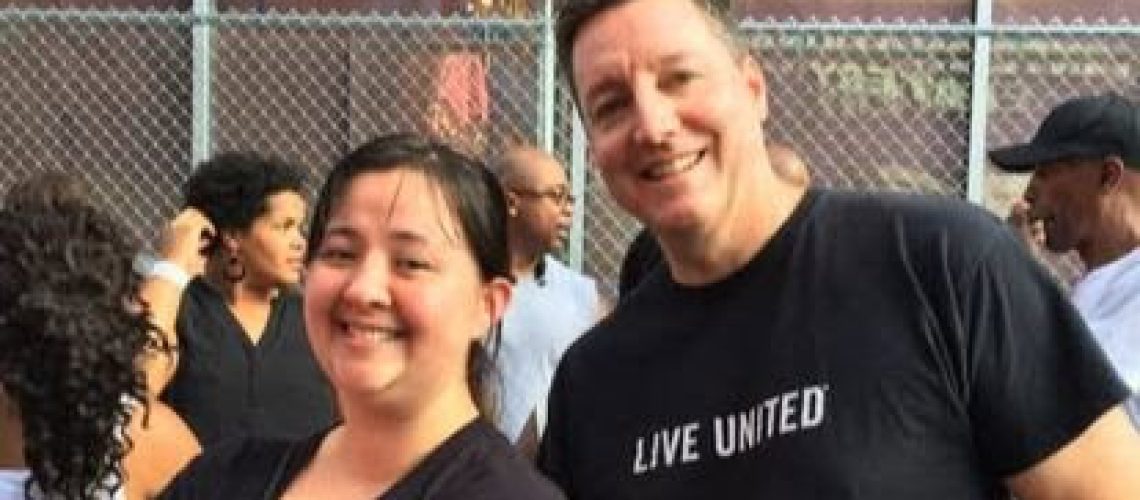
Pete Manzo is President and CEO of United Ways of California. Despite being significant grantmakers in many communities, the 900+ United Ways in the U.S. are seldom discussed when it comes to philanthropy, “democratizing philanthropy,” or philanthropic reform. We’re glad we had a chance to learn some surprising facts and strong views from Pete.
Q: Pete, not long ago the top three nonprofits by revenue were United Way, Red Cross and Salvation Army. Today the biggest three are Fidelity, Schwab, and the National Philanthropic Trust. What do you make of that?
Pete: A primary concern is that it is difficult to see where funds in DAFs go, and even whether they are spent at all. Nonprofits are frustrated that such a large pool of funds is invisible to them, they are unable to identify and seek funding from them
The large commercial funds you mention are really investment firms – finance companies – they’re not taking a strategic approach to philanthropy. Commercial donor-advised funds provide a valuable service, but in my view, they are not really charities with a mission, advancing a point of view about strategic goals, so much as they are financial firms providing services to their investment clients.
Foundations and DAFs talk about payouts of 5% or even 8%. United Way has a payout rate of 80% within 18 months. Various complications make it hard to get out everything quickly, but we work at it!
Q: 80% in grants out? So is the United Way a type of foundation?
Pete: We are a grantmaker, but not a foundation. Pledges we get this year tend to go out next year as the money comes in. United Ways are not endowed organizations, which brings both advantages and disadvantages. United Ways put their funds to work within 12–18 months of raising them, so the time-value of money means contributions to United Ways can have greater impact than if they were held and spent from an endowment. An endowed foundation would need something like $80 billion in assets to make a similar scale of philanthropic investment as the $3-4 billion or so the United Way drives in the U.S. every year. Without endowments, though, the year-to-year prospects of United Ways are much more uncertain, and they certainly are more vulnerable to economic fluctuations.
It’s odd that although we give out more in grants than many local foundations do, we aren’t typically included in foundation dialog. For a long time we weren’t able to join associations of grantmakers.
Q: United Ways of California backed a recent bill to bring transparency to donor-advised funds in California. The foundation community and the DAF sponsors opposed it strongly. Why did United Ways break from the crowd and support it?
Pete: We care about resources going out to the people that need it. And they need it in real time. The near-complete invisibility of donor-advised funds makes it possible for them to be abused, stay inaccessible, and keep the public from understanding where public money goes. We believe in more transparency for all of philanthropy.
Q: Several years ago some United Ways around the country were experimenting with being donor-advised fund sponsors. Where did that go?
Pete: As far as I know, no one is doing that anymore. For some it was just an accounting thing: they would get a donor-restricted pledge and they would create a donor-advised for it. When the donation came in, they would empty that DAF. They realized this accounting method was unnecessarily complicated. In a few cases United Ways talked with their major donors about creating DAF accounts at their local United Way. But most United Way donors weren’t interested; they wanted to see their money have an impact as soon as possible.
Q: The federal budget bill (June 2025) looks like it will mean very large cuts to Medicaid and other health and human services. How do you think funders in health and human services could be responding?
Pete: Too many are remaining silent, so far. Funders and nonprofits need to be speaking out against the cuts, and foundations should be funding nonprofit advocacy.
For many years now foundation assets have grown much faster than the 5% payout rate. For all their billions, foundations can’t make up for those federal government cuts if they go through, but they could easily be giving out four or five times what they are giving now, and they should, in unrestricted grants, to organizations fighting the cuts and also working to reduce their harmful impacts.
United Ways are non-partisan, but we are not neutral about our values. We know these cuts would be devastating to working families, so across the country, United Way has been working hard to find Republicans who see the importance of maintaining Medicaid [called Medi-Cal in California] and SNAP food assistance (CalFresh).
Funders need to be organizing to make government fund the basic human needs that their communities need – the communities they say they are committed to serving. The “Big 10” universities are creating a mutual defense fund, pooling resources to support whichever of them may be attacked; funders should be looking at similar strategies together, and also should offer to help defend nonprofits, too.
Q: So many nonprofits and nonprofit associations say they strongly support philanthropic reform, but they won’t say so in public. Your thoughts on this?
Pete: Well, nonprofits are overly cautious of offending any funder about anything. Some hope that a big DAF holder will someday give them a lot of money, and unfortunately, at times that includes community foundations, who also rely on DAFs and DAF donors, and like other funders, they likely aren’t used to hearing any criticism at all so they may overreact to any hint of it. The commercial DAFs have far outpaced everyone in acquiring funds under their management, they are crushing everyone in competing for donors’ funds, so it’s hard to see why community foundations wouldn’t welcome more regulation of commercial DAFs.
Associations of grantmakers understandably want everyone to be happy. They don’t want to take a stand that make any member unhappy. So it can stall from being effective on behalf of who their members serve.
With so much wealth flowing to the top, and with commercial DAFs growing so quickly, if nonprofits, nonprofit associations and funder associations won’t take stands for government funding and philanthropic reform, then who will stand for the people in our communities?
Q: Thank you Pete!
You can reach Pete Manzo and the United Ways of California here.